DispatchFrom Chennai stock — as fast as 1 business day for in-stock items
Minimum orderConfirmed on quote — depends on the pack and grade
PriceIndicative price on request, quoted within 1 hour in business hours
Quick answer
Cresylic Acid — CAS 1319-77-3. Supplied by Suraj Chemicals, Chennai. Pack sizes: drums as per order quantity. Key specification: Assay (Total Cresols): 95% Min. Typical uses: ore-flotation frothing/collector reagent; intermediate for phenolic resins, antioxidants and tricresyl phosphate. Specification sheet and SDS can be downloaded from this page.
Last updated 19 November 2026.
Overview
Cresylic Acid (CAS 1319-77-3) is one of the acids & descalants products Suraj Chemicals supplies to industrial, institutional and manufacturing buyers across India from our Chennai base. It is commonly used for ore-flotation frothing/collector reagent; intermediate for phenolic resins, antioxidants and tricresyl phosphate; disinfectant and wood-preservative formulations, among other applications in the acids & descalants category. We pack Cresylic Acid in drums as per order quantity, and can arrange bulk, drum or tanker quantities for larger requirements — full characteristics, applications and downloadable documentation are below, or you can request a quote directly.
Values above are well-established typical/standard specification properties for this product, compiled from published technical references — not a batch-specific lab report. Figures can vary batch to batch — request a current certificate of analysis with your order.
Origin
Imported – South Africa
A certificate of analysis is supplied with every batch.
Applications
Ore-flotation frothing/collector reagent
Intermediate for phenolic resins, antioxidants and tricresyl phosphate
Disinfectant and wood-preservative formulations
Safety & Handling Summary
Cresylic Acid — from the Safety Data Sheet
Topic
Summary
Signal word
Danger
GHS hazards
H301 — Toxic if swallowed H311 — Toxic in contact with skin H314 — Causes severe skin burns and eye damage H331 — Toxic if inhaled H372 — Causes damage to organs (nervous system, liver, kidneys) through prolonged or repeated exposure H400 — Very toxic to aquatic life
Incompatible with
Strong Oxidizers, Strong Alkalis, Combustible, Certain Plastics/Rubber, Metals
Gloves
Chemical-resistant gloves (e.g. Viton® or multi-layer laminate – verify breakthrough time, as nitrile/PVC offer limited protection against phenolics). Replace at any sign of damage
Eye / face
Chemical splash goggles and face shield
Respiratory
Full-face respirator with organic vapour cartridge; SCBA for high concentrations, confined spaces or emergency response
Body
Chemical-resistant apron/coveralls and boots, impervious to phenolic liquids
Transport (road)
UN2076 · Class 6.1 · Packing group II
Emergency handling
First aid, fire-fighting and spill / release measures are in Sections 4–6 of the SDS. Emergency contact: +91 70927 22822 / +91 98402 84032.
A summary of the Cresylic Acid Safety Data Sheet. The full SDS is the authority: download it at the top of this page and read it before first use. Hazard ratings can change with grade and concentration, so confirm the transport class for each consignment.
Frequently Asked Questions
What is Cresylic Acid?
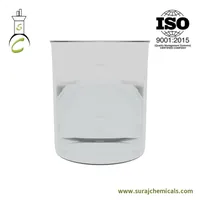
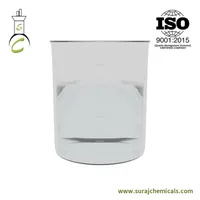
Cresylic Acid is supplied by Suraj Chemicals as colourless to pale yellow/brown liquid with a strong phenolic odour (mixture of cresol isomers), identified by CAS number 1319-77-3. It falls under our Acids & Descalants range — see the Specification Sheet table above for its full characteristics.
What is Cresylic Acid used for?
Typical applications include: Ore-flotation frothing/collector reagent; Intermediate for phenolic resins, antioxidants and tricresyl phosphate; Disinfectant and wood-preservative formulations.
How should Cresylic Acid be stored and handled?
Combustible liquid, corrosive to skin/tissue — store in a cool, well-ventilated place away from heat, open flame and strong oxidisers.
What packaging and pack sizes does Suraj Chemicals supply Cresylic Acid in?
Drums as per order quantity. Contact us if you need a different pack size, or a bulk/tanker quantity.
What is the shelf life of Cresylic Acid?
Typically 3–6 months from date of manufacture when stored sealed, in a cool place away from direct sunlight and heat. As with any industrial chemical, request the current batch's manufacturing date and a fresh certificate of analysis for orders where exact remaining shelf life matters.
Is Cresylic Acid hazardous to handle?
Yes. Cresylic Acid is classified under GHS (signal word: Danger) as: toxic if swallowed (H301); toxic in contact with skin (H311); causes severe skin burns and eye damage (H314); toxic if inhaled (H331); causes damage to organs (nervous system, liver, kidneys) through prolonged or repeated exposure (H372); very toxic to aquatic life (H400). Follow the storage and handling guidance above, use appropriate PPE, and download the Safety Data Sheet (SDS/MSDS) in the sidebar above for full GHS hazard, handling and PPE details.
Is a Specification Sheet, TDS or MSDS available for Cresylic Acid?
Yes. A downloadable Specification Sheet (PDF) with full characteristics and specifications is available above, and a downloadable Safety Data Sheet (SDS/MSDS) for Cresylic Acid is also available above.
Can I get a sample or discuss order quantity for Cresylic Acid?
Yes. use the Request Price & Availability button or WhatsApp us with your required quantity, and our team will confirm pricing, minimum order quantity, sample availability and delivery timelines for Cresylic Acid.
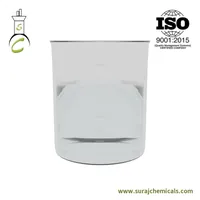
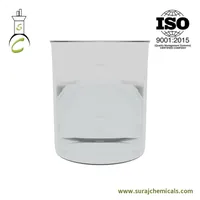
Colourless to pale yellow/brown liquid with a strong phenolic odour (mixture of cresol isomers)
Packaging
Drums as per order quantity
Storage & Handling
Combustible liquid, corrosive to skin/tissue — store in a cool, well-ventilated place away from heat, open flame and strong oxidisers.
Shelf Life
Typically 3–6 months from date of manufacture when stored sealed, in a cool place away from direct sunlight and heat. As with any industrial chemical, request the current batch's manufacturing date and a fresh certificate of analysis for orders where exact remaining shelf life matters.